
A woman is sitting in an airport and working on a Macbook

Your old Mac helps pay for the next one.

How the Mac’s strong residual value and planned refresh cycles can help stretch your budget, reduce the burden on IT teams and support a more sustainable device strategy.

€0.50 a day for a MacBook may sound too good to be true. In reality, it’s the result of a simple calculation based on the device’s residual value. When it comes to leasing, what matters is not just the purchase price, but also how much value the device is expected to retain over time.

But monthly payments are only part of the story. This whitepaper explores how residual value, refresh cycles and Bechtle Lifecycle Management work together, highlights costs that are often overlooked and explains when the model makes financial sense for your device estate.

In this whitepaper, you’ll learn:

  • How a cost of just €0.50 per day for a MacBook Neo is calculated.
  • How residual value influences total cost of ownership, and how you can maximise it.
  • How planned refresh cycles can ease the workload on IT teams.
  • The true long-term cost of workplace devices.
  • When Bechtle Lifecycle Management makes financial sense, and when it doesn’t.

(Asset only available in German)

3x

higher residual value after four years than comparable Windows devices.

760 euros

lower total cost of ownership per Mac over a five-year period.

96%

of returned Apple devices are given a second lease of life rather than being discarded.

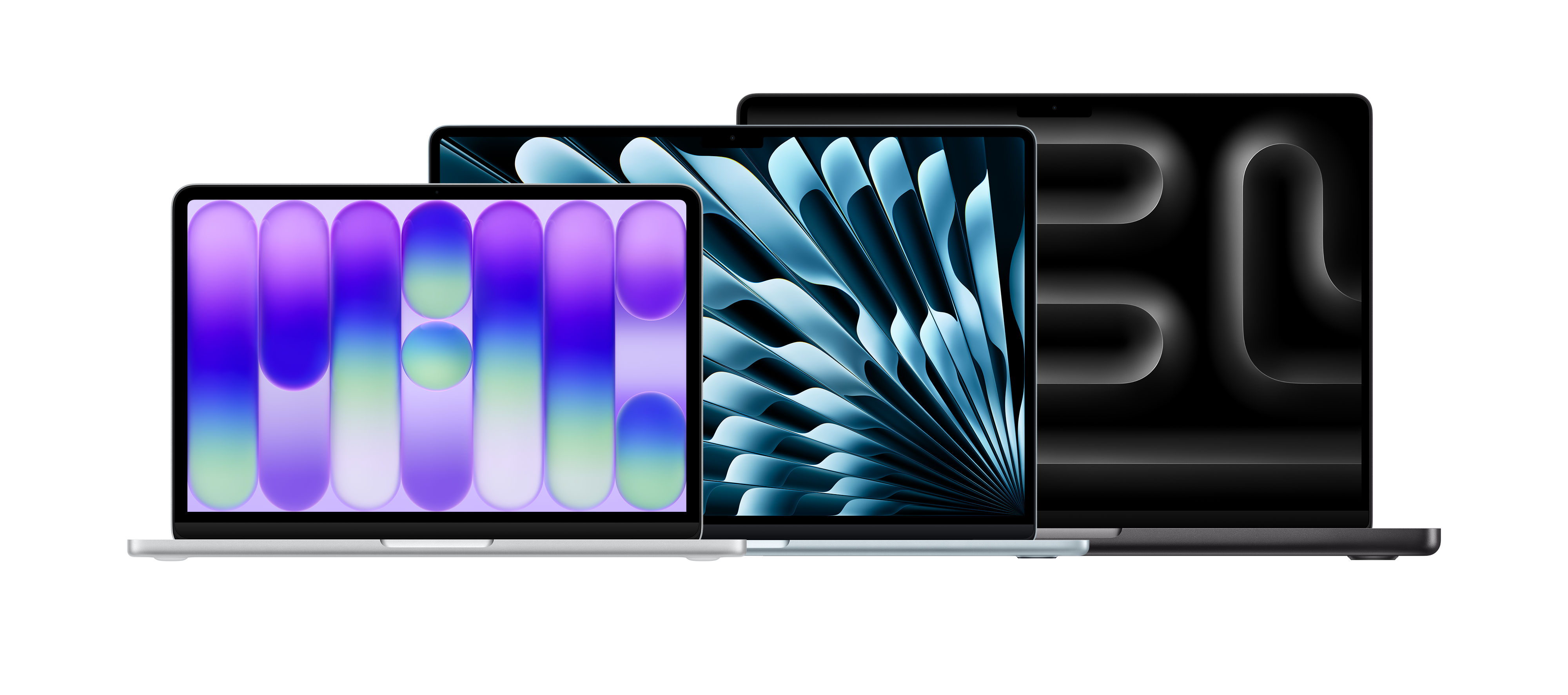
Image of MacBook
Planned refresh cycles take the pressure off your IT team.

Residual value, refresh cycles and device recovery deliver benefits that go far beyond financing. When approached as part of a joined-up lifecycle strategy, they make budgets more predictable, reduce operational effort and help keep your device estate secure, efficient and fit for purpose.

A managed lifecycle brings provisioning, management, support and device recovery together within a standardised framework. Devices arrive pre-configured, are enrolled automatically through zero-touch deployment and can be managed centrally throughout their lifecycle. A central dashboard provides instant visibility into which devices are in use, where they are located and what actions need to be taken.

The result is less manual administration, fewer unexpected disruptions and more time for high-value work and strategic initiatives.
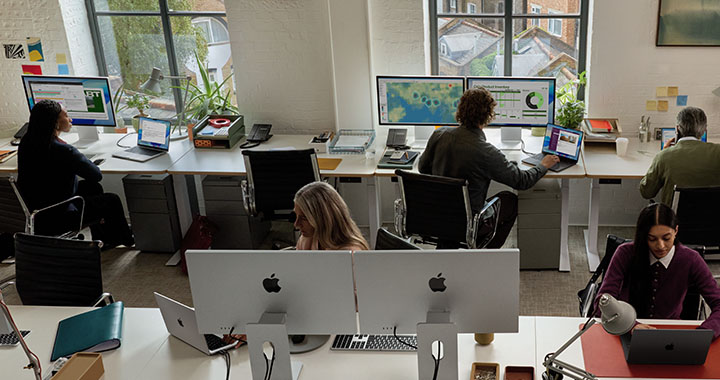
A bird’s-eye view of an office with Apple devices
From device procurement to a fully managed operating model.

A modern hardware lifecycle treats devices not as isolated purchases, but as part of an end‑to‑end operating model—covering procurement, deployment, support and end‑of‑life processes such as return and remarketing,

with the key difference being that instead of reacting to issues, processes are planned, standardised and automated, creating transparency and sustainably reducing complexity.

Turn one-off hardware purchases into a predictable lifecycle.

Organisations that take a joined‑up approach to hardware, services and financing go beyond creating transparency to gain real economic agility. As an Apple Premium Business Partner, Bechtle combines these elements in a seamless lifecycle model. Discover how it works and when it makes sense for your organisation in the whitepaper.

(Asset only available in German.)