Samsung Galaxy Smartphones.
Samsung Galaxy is the brand under which Samsung offers smartphones, tablets, and smartwatches. The first Samsung Galaxy smartphone was launched in June 2009. Samsung's smartphone portfolio is divided into several product series: the Galaxy S series represents powerful flagship devices, the Galaxy A series targets the mid-range segment, and the Galaxy Z series showcases innovative foldable smartphones with flexible displays. Current models include the Galaxy Z Fold8 and Galaxy Z Fold8 Ultra. This broad portfolio enables Samsung to cover everything from entry-level devices to premium smartphones, complemented by the robust Galaxy XCover series designed for demanding work environments. Standard features include Android with Samsung's One UI interface and Galaxy AI capabilities. Samsung also provides long-term software support for many current devices. For business use cases, Enterprise Editions with the Samsung Knox Suite are available.
What to Consider When Choosing a Samsung Smartphone.
When comparing Samsung Galaxy smartphones, the most important factors to consider are size and form factor, performance, camera capabilities, available storage, and long-term software support. Different Galaxy series are designed to meet different requirements, depending on how and where the device will be used.
-
Size and form factor: Samsung offers a wide range of smartphone designs, from compact devices and large premium models to foldables such as the Samsung Galaxy Z Fold8 and Samsung Galaxy Z Fold8 Ultra. While traditional smartphones provide a familiar user experience, foldable devices offer additional flexibility for multitasking and mobile productivity.
-
Performance: The different Galaxy series vary in terms of processing power and available Galaxy AI features. Mid-range models are often sufficient for everyday tasks, while higher-end devices are built for demanding business applications, gaming, and productivity-focused workflows.
-
Camera capabilities: Samsung's portfolio ranges from reliable everyday cameras to advanced camera systems designed for high-quality photography and video recording. In particular, devices in the Galaxy S series are aimed at users with higher expectations for image quality.
-
Storage: The ideal storage capacity depends on individual usage requirements. Smaller storage options are typically sufficient for communication, office applications, and web browsing, while larger capacities provide additional room for photos, videos, apps, and business data.
-
Software support: Current Samsung Galaxy smartphones receive security and feature updates for many years. This helps protect long-term investments and enables businesses and users to keep their devices in service for an extended period.
Top Samsung Galaxy Models.
The Samsung Galaxy portfolio offers suitable devices for a wide range of requirements. Among the most popular models are a flagship smartphone from the Galaxy S series, a powerful mid-range device from the Galaxy A series, and the latest foldable smartphones from the Galaxy Z series.
-
Samsung Galaxy S26 Ultra: As the flagship model of the Galaxy S series, the Galaxy S26 Ultra is designed for demanding users. It combines a large display, powerful hardware, advanced camera capabilities, and S Pen integration for enhanced productivity.
-
Samsung Galaxy A57 5G: Representing the upper mid-range segment, this model offers a balanced combination of performance, battery life, and modern Galaxy AI features. It is well suited for both business and everyday use.
-
Samsung Galaxy Z Fold8 Ultra: This premium foldable combines the functionality of a smartphone and a tablet in a single device. Its large foldable display provides more space for multitasking, mobile productivity, and running multiple applications simultaneously.
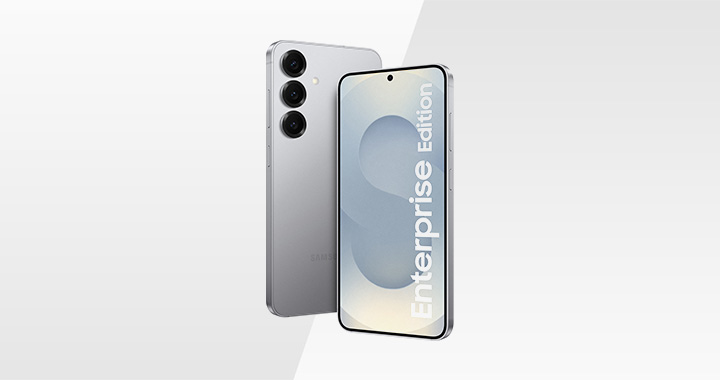
The Galaxy S range comprises Samsung’s latest premium smartphones and includes the Galaxy S25, Galaxy S26, Galaxy S26 FE and Galaxy S26 Ultra. Together, these models offer powerful processors, AMOLED displays with high refresh rates, Galaxy AI and long software update cycles. Whilst the Galaxy S25 and Galaxy S26 cover the standard range of features, the Galaxy S26 Ultra offers a larger display, more camera functions and S Pen integration.
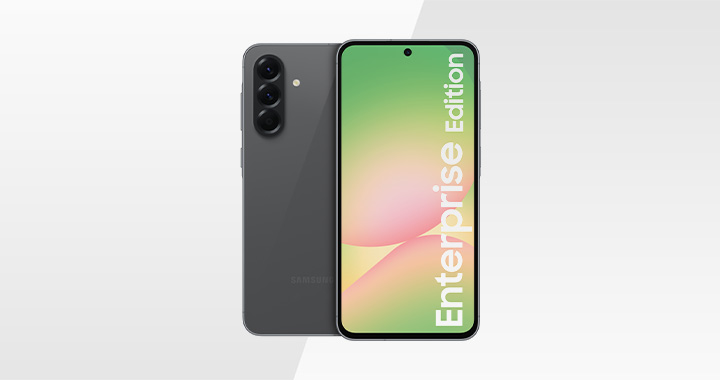
The Samsung Galaxy A series covers the entry-level and mid-range segments and includes models such as the Galaxy A17 5G, Galaxy A36 5G, Galaxy A37 5G, Galaxy A56 5G, and Galaxy A57 5G. The series combines large displays, long battery life, and modern camera technology with excellent value for money. Current generations also benefit from AI-powered features such as Awesome Intelligence, extended software support, and, for selected models, Enterprise Editions with Samsung Knox for enhanced security and device management.
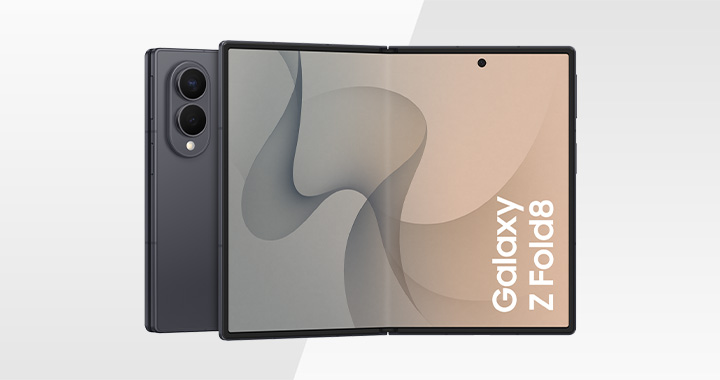
The Galaxy Z series represents Samsung’s range of foldables and combines innovative smartphone technology with flexible display concepts. The series currently comprises the Galaxy Z Fold8 and the Galaxy Z Fold8 Ultra. Both models combine foldable displays with powerful hardware, Galaxy AI and the security features of Samsung Knox. They are aimed at users who want to combine a smartphone and a tablet in a single device: When folded, they can be used just like a standard smartphone; when unfolded, the generous internal displays offer more space for multitasking, mobile working and productivity apps. The Galaxy Z Fold8 Ultra complements this concept with an even more comprehensive range of premium features. This makes the models in the Galaxy Z series some of the most innovative smartphones in Samsung’s portfolio and particularly well-suited for productive use in everyday business life.
Highlights of Samsung Galaxy Smartphones.
-
Product lineup: The Galaxy S series is designed for flagship performance, the Galaxy A series for the mid-range segment, and the Galaxy Z series for foldable smartphones. Designations such as Ultra, Plus, and FE identify different feature levels within each series.
-
Displays: From compact smartphones and large premium displays to the foldable displays of the Galaxy Z series, Samsung offers a variety of form factors to suit different needs and preferences.
-
Camera capabilities: The portfolio ranges from capable everyday cameras to advanced camera systems with enhanced zoom, low-light photography, and video recording features.
-
Performance and Galaxy AI: Modern processors and Galaxy AI features support productivity, photo editing, real-time translations, and a range of intelligent on-device experiences.
-
Battery life: Depending on the model, large battery capacities and fast-charging technology help ensure reliable performance throughout the workday and beyond.
-
Software updates: Current Samsung Galaxy smartphones receive security patches and feature updates for many years, supporting long-term usability and device longevity.
-
Enterprise Edition: Features such as Samsung Knox Suite, E-FOTA, and an extended product lifecycle help businesses centrally manage, secure, and deploy corporate devices more efficiently.
Display and Camera.
Samsung Galaxy smartphones are designed to meet a wide range of requirements, offering different display and camera concepts across the various Galaxy series. Display sizes range from compact devices in the Galaxy A series and Galaxy S series to large-screen smartphones and foldable devices. Models in the Galaxy Z series, such as the Samsung Galaxy Z Fold8 and Galaxy Z Fold8 Ultra, feature foldable displays that create new possibilities for multitasking, mobile productivity, and entertainment. Depending on the model, Samsung uses Dynamic AMOLED or Super AMOLED displays with high refresh rates, ensuring smooth visuals and excellent readability.
Samsung also offers a broad range of camera capabilities. The portfolio extends from reliable everyday cameras in the mid-range segment to advanced camera systems in the Galaxy S series, featuring enhanced zoom, low-light photography, and video recording capabilities. AI-powered features further enhance the camera experience by supporting image optimization, post-processing, and content creation. As a result, Samsung Galaxy smartphones are well suited for everything from everyday snapshots to demanding photo and video projects.
Battery Life and Charging.
Battery life across the Samsung Galaxy smartphone portfolio varies depending on the model series, display size, and usage scenario. While compact devices are designed to provide a balanced combination of battery life and portability, many models in the Galaxy S series, Galaxy A series, and Galaxy Z series feature large batteries that support productive everyday use. These devices are further enhanced by energy-efficient processors, intelligent power-saving features, and adaptive display technologies that help reduce power consumption based on usage patterns.
When it comes to charging, current Samsung Galaxy smartphones support a range of technologies depending on the model, including fast charging, wireless charging, and Wireless PowerShare for charging compatible accessories. This allows smartphones, smartwatches, and Galaxy Buds to be conveniently integrated into the Samsung ecosystem. For power users and businesses in particular, long battery life and short charging times are key considerations when selecting the right Samsung Galaxy smartphone.
Performance, Galaxy AI and Software.
Samsung Galaxy smartphones are equipped with powerful processors, generous memory configurations, and a range of storage options depending on the model. As a result, these devices are suitable for both everyday tasks and more demanding use cases such as multitasking, mobile productivity, and resource-intensive applications.
Samsung Galaxy devices run Android combined with Samsung's One UI user interface. The experience is further enhanced by Galaxy AI, which supports features such as intelligent photo editing, translations, transcriptions, and other AI-powered assistance tools. On selected models, features such as Samsung DeX also enable a desktop-like working environment when connected to an external display. Together, the combination of hardware, software, and AI creates a flexible platform for both personal and business use.

Conclusion.
The Samsung Galaxy portfolio offers the right smartphone category for virtually every use case. The Galaxy A series covers the entry-level and mid-range segments, while the Galaxy S series features premium smartphones with advanced camera systems, high-performance displays, and Galaxy AI capabilities. The Galaxy Z series expands the portfolio with innovative foldable devices such as the Galaxy Z Fold8 and Galaxy Z Fold8 Ultra, unlocking new possibilities for multitasking, mobile productivity, and entertainment.
In addition to a broad device selection, Samsung Galaxy users benefit from long-term software support, regular security updates, and a closely integrated Galaxy ecosystem. For businesses, selected Enterprise Edition models with the Samsung Knox Suite provide enhanced security, management, and deployment capabilities. As a result, the Samsung Galaxy portfolio ranges from value-driven entry-level devices to powerful business and flagship smartphones.