
A practical decision checklist for your next IT strategy review or workshop:
- Where are we today? Do we truly understand our IT landscape, maturity, pain points, risks and internal capacity, or are we reacting to symptoms and urgent tickets?
- What outcomes do we want from our IT strategy? Are we clear whether we’re prioritising cost optimisation, risk reduction, operational resilience, innovation, user experience, or a blend of all five?
- How will we measure success? Do we have concrete metrics - such as incident reduction, user satisfaction, project velocity, licensing efficiency or time-to-value, that we’ll review every 90 days?
- Who owns each part of the strategy? Have we broken the strategy into manageable workstreams with clear owners, rather than leaving everything with “IT” as a whole?
- Are we aligned with the business and the board? Does the strategy reflect where the business is heading over the next 12–24 months, including acquisitions, new services or market shifts, and is the board engaged in the story?
- Are we treating strategy as a journey, not an event? Do we have regular check-ins, review meetings and stakeholder sessions scheduled, or are we planning to revisit the strategy once a year?
- Are we choosing projects, not just products? Are we clear on the outcomes each initiative is meant to deliver, rather than just listing technologies to buy or platforms to implement?
- How will we keep feedback flowing? Do we have a way for users, IT teams and leaders to feed experience and learning back into the strategy so it can evolve?


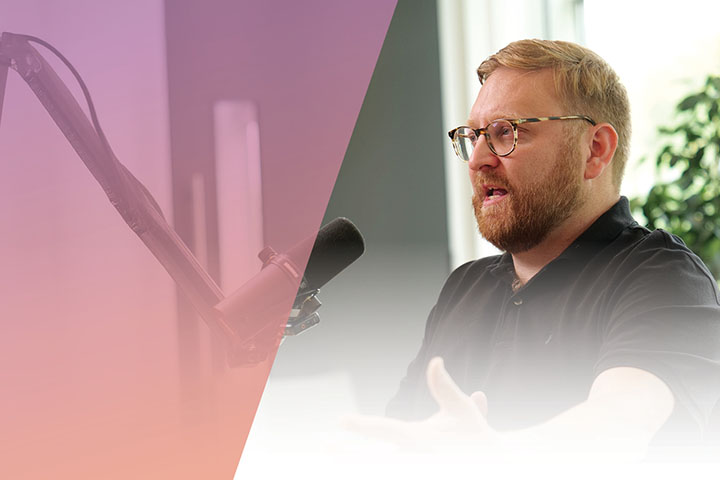
An office isn’t a postcode, it’s a product.
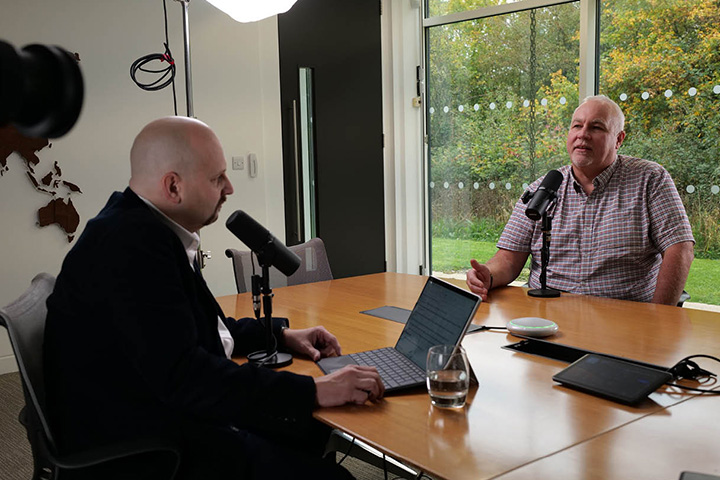
In this episode of Future Ready with Bechtle, Stephen Harley (Field CTO, UK) sits down with Michael Harley (Head of Bechtle Interiors) to unpack why an IT company runs an interiors practice, and how space, culture, and technology must be designed as one system.

Cybersecurity isn’t an IT problem, it’s a business risk.
In this episode of Future Ready, Bechtle’s Pre-Sales Security Consultant Kaylie Watts sits down with Alice Lee, Head of Security, to unpack what recent high-profile retail breaches reveal about today’s threat landscape, and what leadership teams must do next.

What if your network felt like a utility; always on, right-sized, and someone else’s problem?
In this episode of Future Ready, Niamh Burgess-Smith (Hybrid Infrastructure Leader & Strategist, Bechtle) and Lee Alesbrook (Hybrid Infrastructure BDM) unpack why Network-as-a-Service (NaaS) is quietly reshaping IT: from energy-hungry legacy kit and weekend callouts to an on-demand, fully managed network that scales with the business and improves user experience.

Your building is talking. Are you listening?
In this episode of Future Ready, Stephen Harley (Field CTO, Bechtle) sits down with Stuart Pass (CTO, Qolcom | Bechtle Group) to demystify environmental IoT: the sensors, networks and dashboards that turn real workplaces into data-driven, healthier, cheaper-to-run spaces.
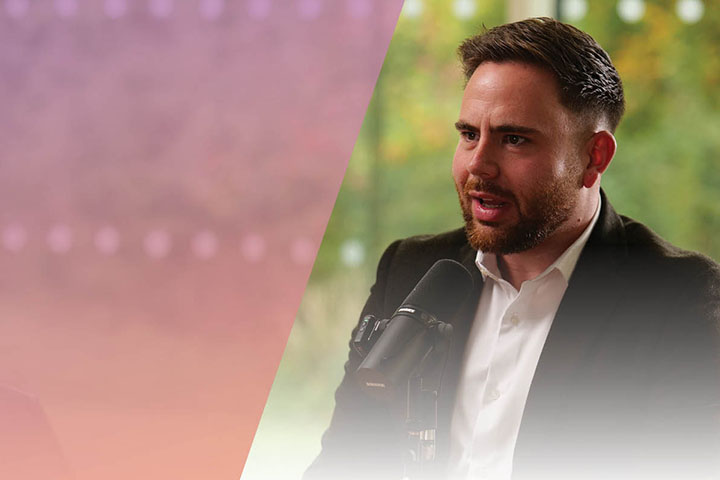
Outsourcing isn’t about replacing IT – it’s about amplifying it.
In this episode of Future Ready with Bechtle, Stephen Harley (Field CTO, UK) sits down with Connor Slasberg (Head of Service Pre-Sales) to unpack what managed and co-managed services really mean for modern organisations.
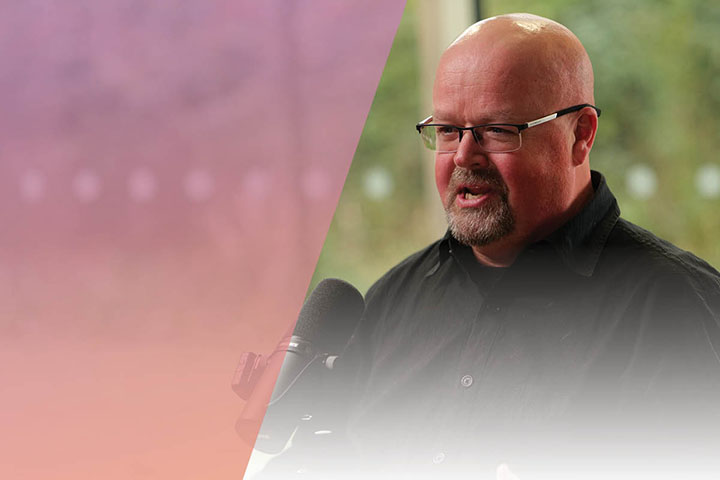
Private AI: Why It’s Not Anti-Cloud, It’s Pro-Control
In this episode of Future Ready with Bechtle, Stephen Harley (Field CTO, UK) sits down with Neil King (Office of the CTO, UK) to demystify private AI and what it really means for organisations with sensitive, complex or regulation-bound data.

Networking isn’t just about keeping people online. It’s the backbone for AI, modern apps and hybrid work.
In this episode of Future Ready with Bechtle, Stephen Harley (Field CTO, UK) sits down with Scott Coombs (Networking Specialist, Bechtle UK) to unpack how AI, cloud-managed platforms and Wi-Fi 7 are reshaping enterprise networks.

What does it take to scale a technology business rapidly while protecting the culture that made it successful in the first place?
In this episode of Future Ready with Bechtle, host Stephen Harley (Field CTO) is joined by James Napp (Regional Director for UK & Ireland) to explore the journey behind Bechtle’s expansion in the region and the leadership philosophy driving that growth.
What happens when artificial intelligence accelerates innovation faster than organisations can secure it?
In this episode of Future Ready with Bechtle, host Stephen Harley (Field CTO) is joined by Owen Lashley (Security Solutions Expert) to explore how AI is reshaping the cybersecurity landscape and what organisations must do to stay ahead of emerging threats.

Documents used to be about printers and paper. Today, they’re about data.
In this episode of Future Ready with Bechtle, host Stephen Harley (Field CTO) is joined by Iain Heard (Document Solutions Consultant at Bechtle UK), to explore how the print and document solutions industry has transformed over the past 30 years.
Cybersecurity no longer starts at the network edge. It starts with identity.
In this episode of Future Ready with Bechtle, host Stephen Harley (Field CTO) is joined by Owen Lashley (Security Solutions Expert) to discuss why identity has become the new frontline of cybersecurity.
AI adoption is forcing organisations to rethink leadership.
In this episode of Future Ready with Bechtle, Stephen Harley (Field CTO, Bechtle UK) sits down with Nico Charritton (Director of AI Business Solutions, Microsoft UK & Ireland) to explore how organisations can move beyond AI experimentation and start realising measurable business value.

Quantum computing is coming. The question is when?
In this episode of Future Ready with Bechtle, Stephen Harley (Field CTO, Bechtle UK) sits down with Lee Alesbrook (Hybrid Infrastructure BDM, Bechtle UK), to explore one of the most talked-about emerging technologies in IT. They unpack what quantum computing actually is, why it matters, what "Q-Day" means for organisations, and why the decisions businesses make today could determine whether their data remains secure tomorrow.
Cloud costs are the result of deliberate decisions
In this episode of Future Ready with Bechtle, Stephen Harley (Field CTO, Bechtle UK) sits down with Kyle Van Der Linde (Senior Azure Consultant, Bechtle UK) to explore the growing importance of Azure FinOps and cloud cost governance.