Logitech Introduces AI Cameras for Hybrid Meetings.
by Flavio Colombo
Conference cameras that almost automatically manage meetings: At the 2026 ISE trade show in Barcelona, Logitech showcased the Rally AI Camera and the Rally AI Camera Pro, demonstrating how AI will automatically detect and control the frame, speakers, and room dynamics in video conferences in the future.
Written by
Traditional video conferencing cameras have a drawback compared to in-person meetings: while people in the room can intuitively follow the conversation, remote participants often see only a static overview of the room. Logitech aims to change that with its AI cameras, the “Rally AI Camera” and “Rally AI Camera Pro.” At the Integrated Systems Europe (ISE) trade show in Barcelona, the manufacturer unveiled its new camera series for conference rooms—featuring built-in AI that automatically detects who is speaking and determines the most appropriate perspective.
AI takes over camera control.
The new generation of cameras uses Logitech’s AI-based framing technology, RightSight 2. This technology detects everyone in the room and automatically adjusts the frame to focus on the participants who are moving or speaking. Instead of a fixed image, this creates a sort of autonomous camera direction that can switch between a group view and a close-up of the speaker. This makes meetings more dynamic and lively even on screen, without anyone having to manually control the camera. Perfect, then, for hybrid collaboration, where meetings take place partly in person and partly via video conference.
Two models for different situations.

Logitech Rally AI Camera
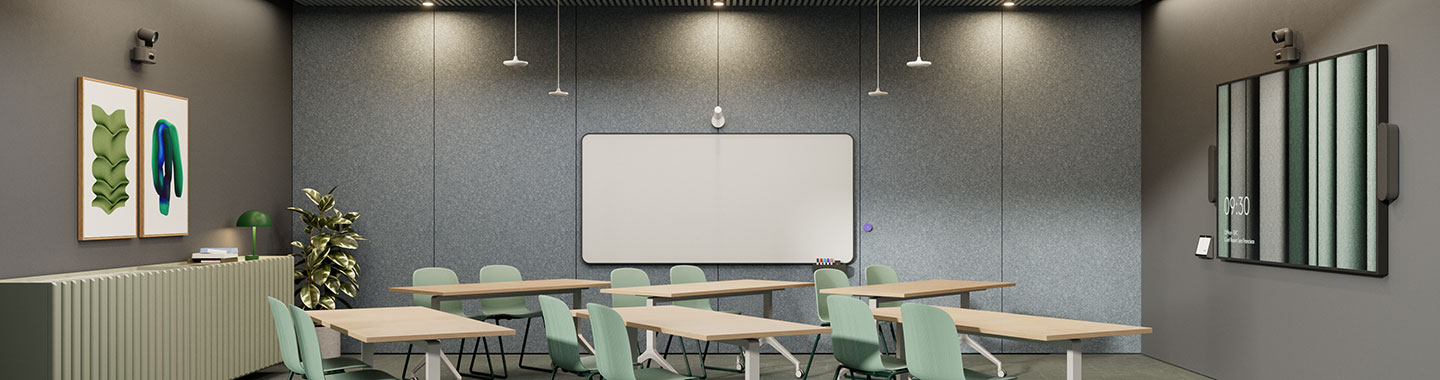
At ISE 2026, Logitech unveiled two versions of its AI cameras at its crowd-drawing booth. At first glance, they were barely visible there, as the Rally AI Camera can also be integrated into the wall. This makes it virtually invisible in the room. Nevertheless, it covers larger meeting rooms and captures a wide field of view of around 115 degrees with its 1-inch image sensor and specially developed lens. Even in difficult lighting conditions, it captures the room in high image quality.
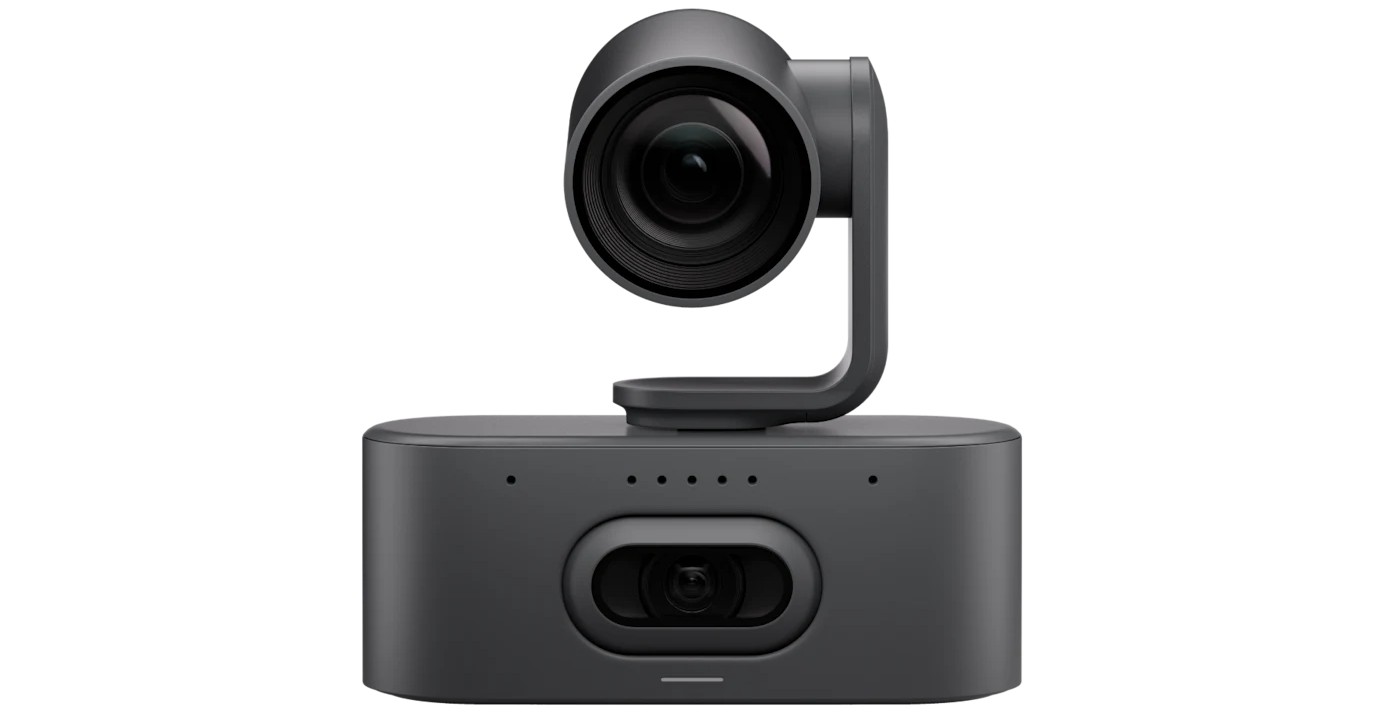
Logitech Rally AI Camera Pro
The Rally AI Camera Pro, on the other hand, is perfectly suited for more complex rooms. Its dual-camera system combines a wide-angle camera that keeps the entire room in view with a second optical camera featuring 15x hybrid zoom. The latter can zoom in specifically on speakers or details. This combination enables significantly more dynamic camera work, reminiscent of a small live production rather than traditional conference technology. Another advantage: Both devices can be monitored and managed via the Logitech Sync device management platform.
Integration with traditional meeting platforms.
In the demo rooms at Logitech’s booth, however, visitors could not only watch live as the cameras detected speakers, switched perspectives, and generated different camera angles. The devices also demonstrated how their AI features can be seamlessly integrated into existing video conferencing platforms. Both newly introduced models connect easily via USB and can then be integrated into common collaboration environments such as Microsoft Teams or Zoom. The AI features can thus be used directly within the familiar meeting software. As soon as a conference begins, the system automatically recognizes everyone in the room and adjusts the frame accordingly. No additional software or separate controls are required. This means that the user experience remains largely unchanged, while the camera performs its image analysis in the background. This makes it easier for IT departments to integrate the cameras into existing meeting rooms, as the devices fit into existing video conferencing solutions without major adjustments.
Market launch in 2026.
The launch of the two new AI cameras is scheduled for 2026. While Logitech announced the Rally AI Camera Pro back in the spring, the Rally AI Camera is set to follow in the summer. Both models are aimed at companies that want to not only automate their video conferences more effectively but also make them appear more natural, thereby bringing them even closer to the experience of in-person meetings.
Partner.


Contact.
Do you have questions or would you like a personalized consultation?
Contact us now for a non-binding discussion.
This article was created in collaboration with the magazine “Inside IT”.