
The concept fits seamlessly into Bechtle’s sustainability strategy: “We take a holistic view and structure our activities into three areas: intralogistics and distribution, packaging and resources, and emissions,” explains Jannik Böhm, Sustainable Logistics Manager at Bechtle’s headquarters in Neckarsulm. The sustainable logistics concept provides the strategic framework for all operational sustainability measures within Bechtle Logistics.


Jannik Böhm

We optimise our logistics processes and packaging solutions for customer deliveries with a focus on ecological efficiency, guided by the principles of reduction, reuse, recycling, and the use of renewable raw materials.

Jannik Böhm, Sustainable Logistics Manager, Bechtle


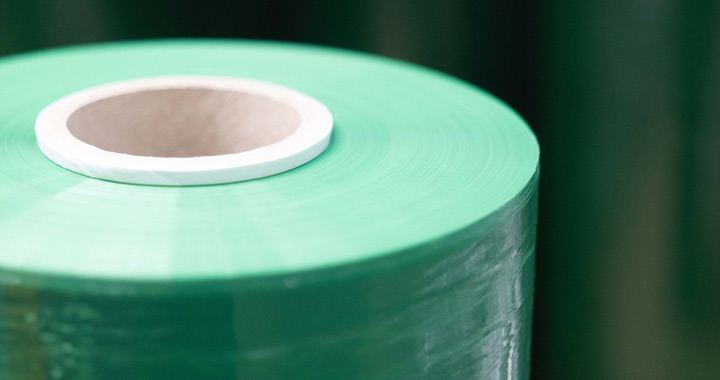
Packaging film
Bechtle’s logistics teams regularly review the progress of sustainability initiatives using defined metrics and continuously develop new measures. Some topics take more time to resolve—including finding the right recycled stretch film for securing pallets. “We tested a wide range of stretch films with different levels of recycled content in our warehouse until we found the right one,” says Jannik Böhm. A film’s properties, such as tear resistance, change depending on the amount of recycled material used, but this characteristic is essential to ensure goods remain secure during transport. “At 30 per cent recycled content, we found the sweet spot—meeting all quality standards as well as legal requirements in several European countries,” says Jannik Böhm.
Overview of selected measures.

  • Materials matter: All shipping boxes and packing materials used are made from FSC‑certified material. 
  • Multiple use: Boxes in good condition are reused. A label informs customers that the box has been used before. 
  • Environmentally-certified paper: Delivery notes are printed on Blauer Engel‑certified recycled paper, in most cases double‑sided.
  • Right‑sized boxes: A range of box sizes and the option to fold them to different heights help reduce shipment volumes.  
  • One multi-site strategy: The multi‑warehouse strategy implements sustainability initiatives across all locations. 
  • Energy from sun and geothermal sources: The roof of the Neckarsulm logistics centre is fitted with photovoltaic panels, and a geothermal system beneath the building supplements the renewable power generated from sunlight. 
  • Brighter lighting, lower energy consumption: In 2025, all lighting in the Neckarsulm warehouse was converted to LED with more than 1,900 LED fixtures installed. 

  • Carefully separated, better for recycling: Separating packaging materials by type in the warehouses, followed by processing at recycling centres, ensures an efficient recycling process.

  • Measuring brings clarity: Bechtle records all transport emissions across sites using data on distance, weight and tonne‑kilometres, allowing ongoing analysis of CO₂‑emission trends. 

  • A focus on employee health: Ergonomic workbench heights, anti‑fatigue mats, short reach distances and suitable tools such as the ProGlove wearable scanner help reduce physical strain and support efficient workflows. 

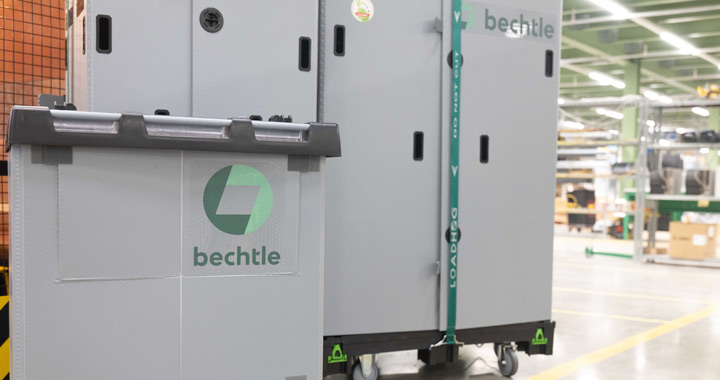
Bechtle Box

Sustainable logistics with added customer value.

With its Value Added Services division, Bechtle tailors logistics solutions directly to customer needs and requirements. One very successful example is the Bechtle Box©, which is available as both a single‑use and a reusable box. It consolidates orders, keeps goods securely packed and reduces the amount of packaging material and transport volume. On request, Bechtle provides customers with transparent and traceable reporting on the transport emissions generated by their orders, enabling them to refine their own emissions balances and pursue their environmental targets more effectively. 

FSC – Forest Stewardship Council.

The FSC system aims to ensure that forests are managed in line with the social, economic and ecological needs of present and future generations. FSC promotes the development of natural mixed forests, the protection of forest soil and the conservation of rare species and ecosystems. As a result, FSC‑certified forests are more resilient to a changing climate and can bind more CO₂ over the long term as functioning ecosystems. FSC also ensures fair and equitable compensation for those employed in forestry.