Quantum computing – Rethinking cybersecurity.
“Quantum computing is shaking up the status quo,” said Claudia Plattner, President of Germany’s Federal Office for Information Security (BSI), in a 2024 interview with Bechtle. The arrival of quantum computers will have major implications for digital cryptography, which is in itself a compelling reason to take a closer look. Another is the growing convergence of quantum technologies and artificial intelligence. At Bechtle’s Bonn IT system house, Sebastian Dittrich and his team are exploring a technology that’s poised to reshape the digital world sooner rather than later. In our interview, he shares insights into the impact and opportunities of quantum computing.

Sebastian Dittrich, what are you and your team currently focusing on at the Competence Centre for Quantum Technologies?
We’re mainly working in two areas. One is cybersecurity. Everything we currently encrypt because it’s considered especially sensitive will no longer be secure once quantum computing enters the picture. The other is about making quantum computing usable for our customers in meaningful ways, in areas such as research and education, where we’re already seeing practical applications.
Quantum computers will perform calculations that currently take weeks or months in mere seconds. What does that actually mean for businesses?
In terms of cybersecurity, companies need to start thinking about how they will protect their data. This isn’t something you can afford to postpone. Cybercriminals operate on a principle of “harvest now, decrypt later.” They have time on their side. They can steal encrypted data now and simply wait for quantum computing to catch up. That’s a threat businesses need to take seriously. It means rethinking security strategies, integrating new technologies, and making use of so-called post-quantum cryptography.
So how can businesses move towards quantum-secure IT?
The first step is to take stock of your cryptographic landscape. What technologies are currently in use? Which algorithms are running, which ones can be adapted—and which ones need to be adapted? That’s how you identify potential vulnerabilities. From there, it’s about assessing risk and making informed decisions: What data do I want to protect? For how long? And which parts of the business must be included in a migration strategy?
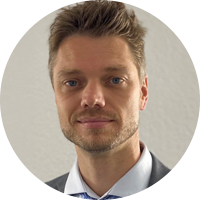
We do a lot of groundwork to demystify quantum.
Sebastian Dittrich, Programme Manager AI & Quantum, Bechtle IT System House Bonn
Given the many challenges IT teams already face—especially around security and AI—can’t this wait?
To many, quantum computing still feels like a paper concept. So as much as I understand the temptation to put it off, businesses really do need to start engaging with the issue. And not just from a security standpoint. The possibilities that will emerge in the coming years will help many organisations enhance their processes in areas like sensor technology and networking.
What can you and your colleagues already offer today?
First and foremost, we do a lot of groundwork to demystify quantum. My colleagues and I speak at events, join panel discussions, and have direct conversations with customers. We’re also building networks—so they can benefit from our expertise, from academic insights, from our broad partner ecosystem, and from each other. And we run dedicated workshops and webinars to dive deeper into the issues we’ve discussed here, together with customers and partners.
What do those offerings look like in practice?
By the time we reach that stage, the customer already has a sense of the opportunities and challenges. There are people in the organisation who’ve taken ownership of the topic. That’s when we step in with hands-on support and help define concrete measures, whether that’s purchasing hardware or software, or choosing the right services. We have trained technicians who can transport, set up and operate quantum computers. That means we can provide cloud services on quantum chips, support onboarding, and guide customers through their decision-making.
Partnership with IQM.
Since 2024, Bechtle’s Bonn IT system house has been working with Finnish start-up IQM Quantum Computers, offering its IQM Spark quantum system. The aim of the partnership is to link quantum and conventional computing to unlock new approaches to high-performance computing (HPC). That could help tackle complex challenges that traditional systems struggle to solve, such as in traffic management or forecasting weather and climate patterns.