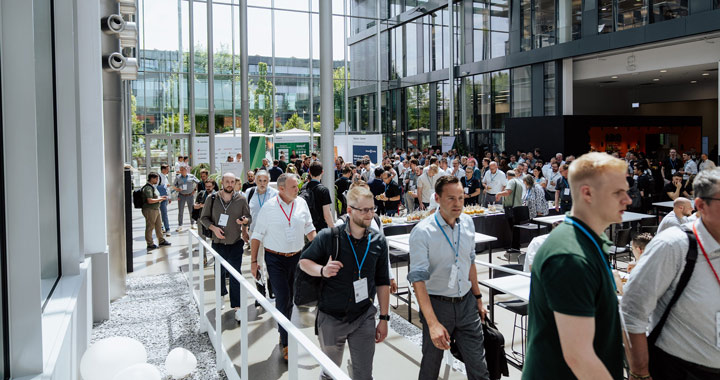
BEST 2026 – The key conversations in cybersecurity.
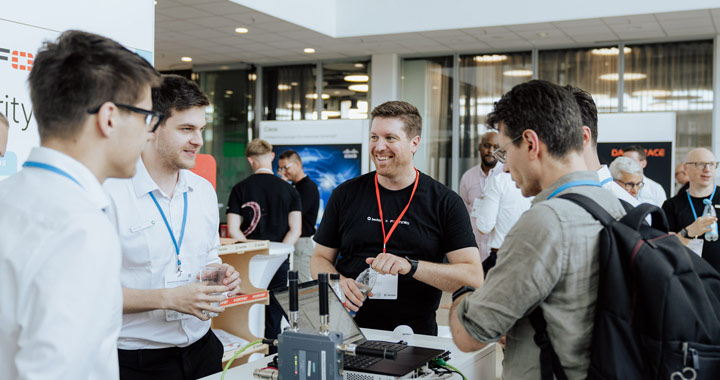
The 2026 edition of BEST brought together our technology partners and around 600 security specialists from across the organisation to exchange views on the developments shaping cybersecurity today. Under the theme “Circle of Trust”, discussions centred on a key question: how is AI influencing threat dynamics, business models and the way organisations make decisions? What emerged is a broader shift. AI is becoming integral to modern IT environments – and in doing so, it is redefining the economic conditions and security considerations that underpin how IT is planned and operated.
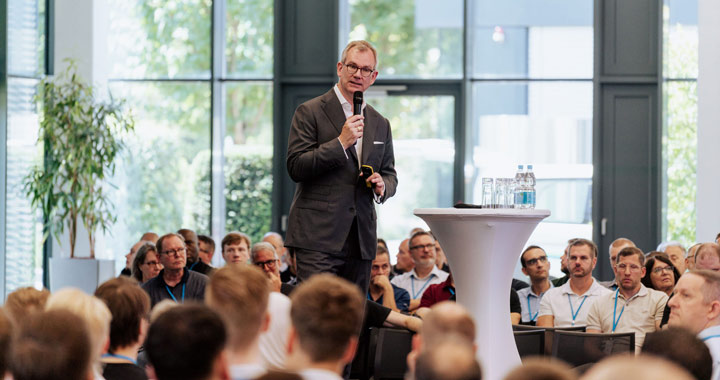
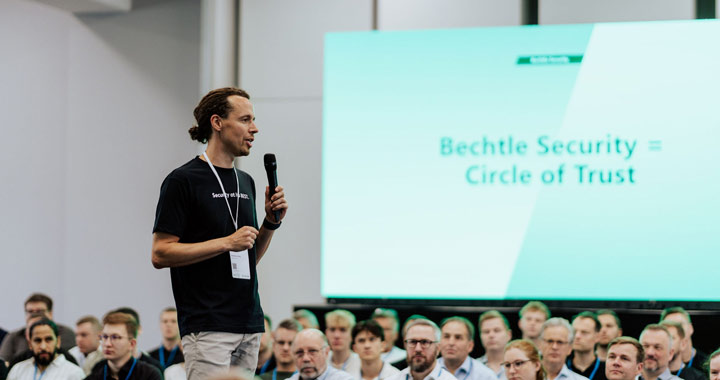
Bechtle’s security community in numbers.
- More than 800 employees with specialist security expertise
- Over 1,900 active certifications
- 30+ security teams across DACH, Benelux, France, the UK, Spain and Italy
- Around 12,000 active security customers
This makes Bechtle one of Europe’s leading security integrators, with a position it continues to strengthen through a connected portfolio spanning consulting, integration and managed services.
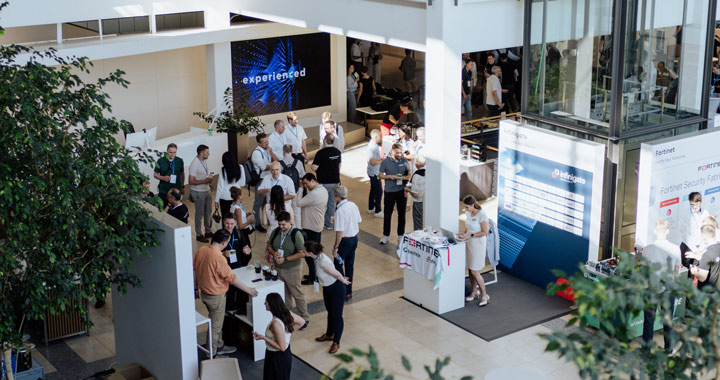
Relevance for organisations.
For IT decision-makers, these developments are highly relevant: AI-driven attacks are significantly increasing both the speed and scale of threats, while at the same time regulatory requirements and economic risks continue to rise. As a result, security decisions are becoming an integral part of corporate management – extending well beyond the remit of IT alone.
This is creating a widening security gap between rising complexity and limited resources. While larger organisations are building the necessary capabilities, many mid-sized companies still lack the operational capacity to implement them effectively – creating a clear need for consulting and managed services.
In practice, the greatest impact still comes from consistently implementing the security basics, such as identity management, patch management, segmentation and incident response. AI is less a replacement than a force multiplier: it exposes existing gaps while accelerating both attack methods and defensive measures.
Outlook: Security is an ongoing priority in the age of AI.
BEST 2026 once again underlined a clear shift: security is evolving from an IT concern into a core business issue.
Looking ahead, two developments in particular will be decisive:
- the shift towards continuous, AI-supported security
- the closer integration of security, compliance and business strategy
For organisations, one thing will be critical: the ability to implement effective measures quickly – and to embed security as an ongoing management responsibility.